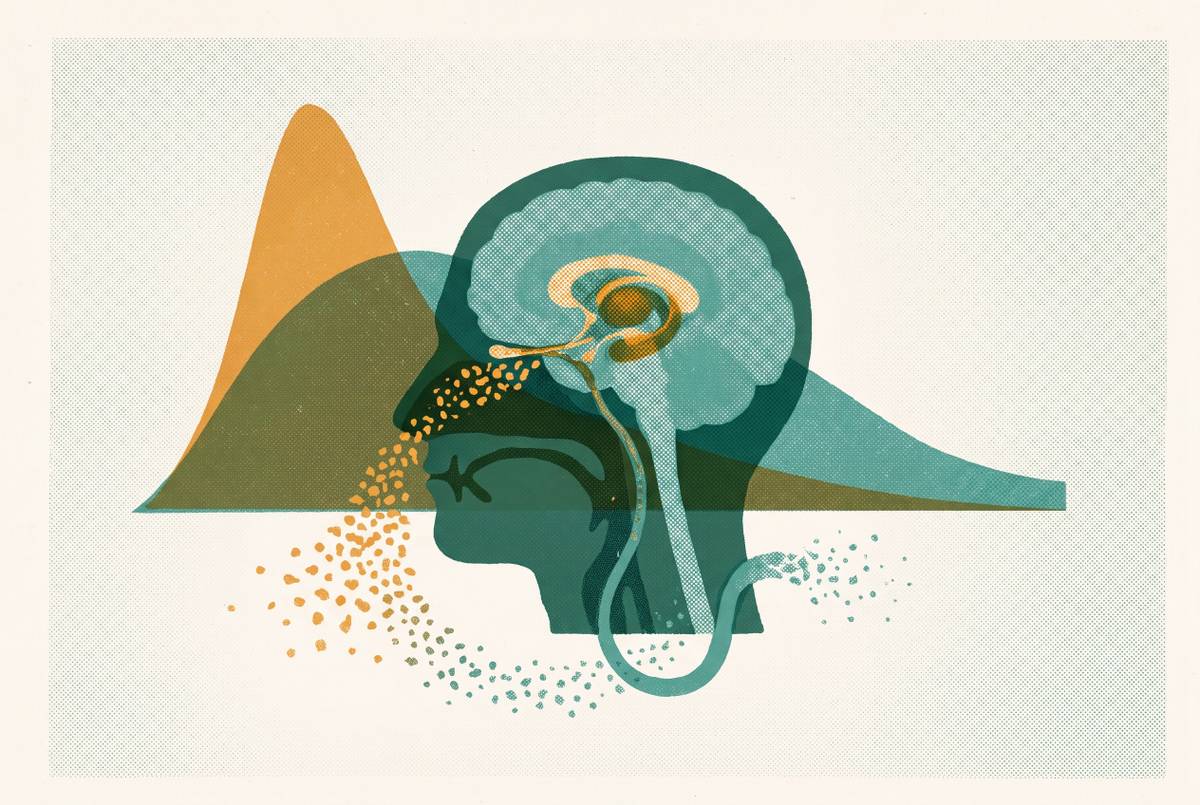
How Neurological Indication Strategy Separates Serious Nose-to-Brain Nanoparticle Companies From Formulation Shops
Its test is whether carriers, targets, and human translation plans cohere.
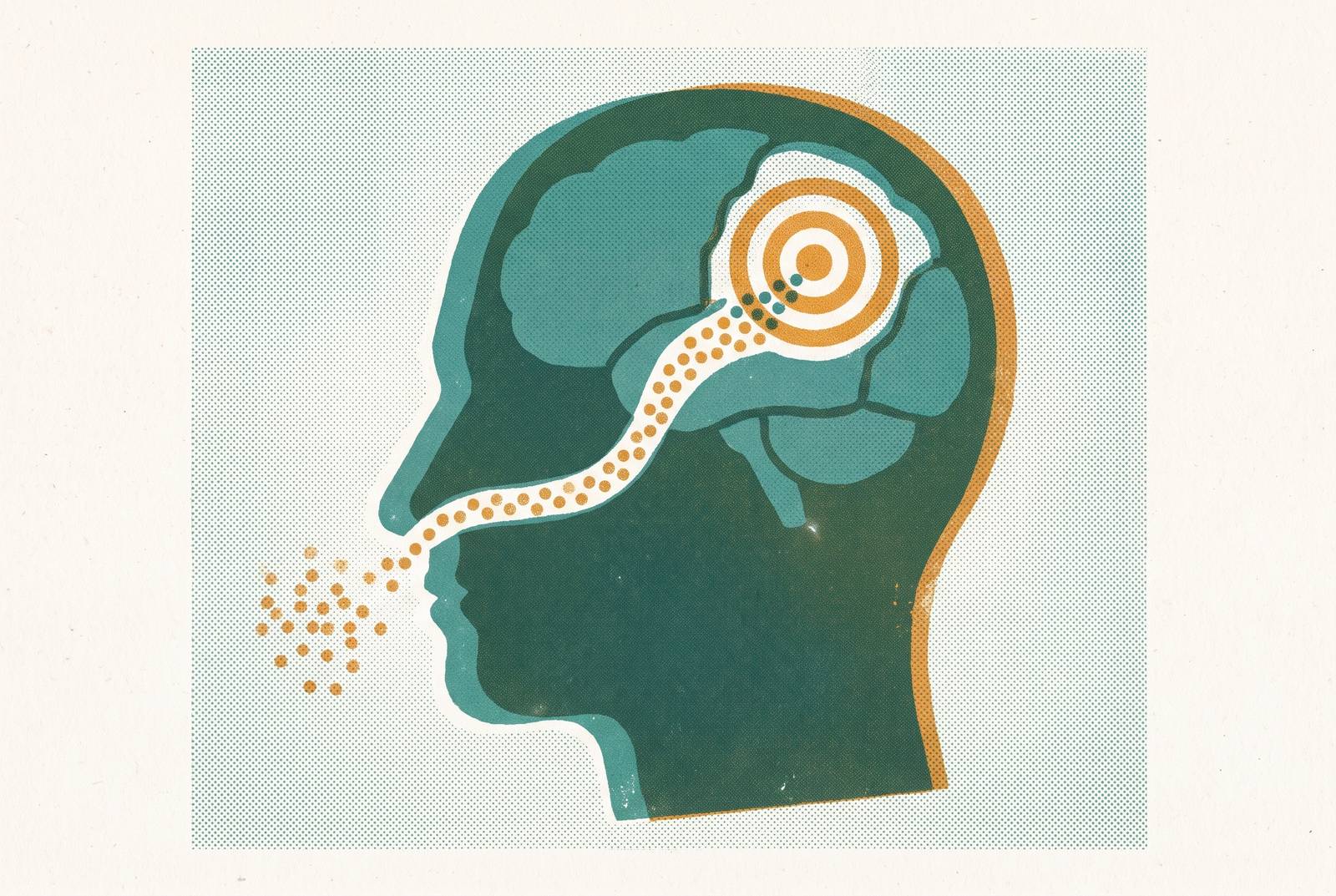
Nanoparticle nose-to-brain delivery for neurological indications aims to move therapeutic cargo through olfactory and trigeminal pathways while bypassing the blood-brain barrier. Its credibility depends on reaching the brain regions relevant to disease. How well a company’s targets, carrier designs, and human translation plans fit together shows the mechanistic depth of its neurological indication strategy.
Why the blood-brain barrier makes neurological drug delivery a structurally different problem from peripheral therapeutics
The blood-brain barrier selectively admits essential nutrients while excluding many exogenous substances. Endothelial cells and tight junctions, supported by astrocytes, pericytes, and neurons, create a structural gate between circulation and brain tissue. A drug can therefore have a plausible neurological action yet fail to reach its target at a therapeutic concentration.
That distinction limits conventional routes of administration. Oral dosing often gets too little of a drug into the brain, while systemic exposure can cause toxicity elsewhere. Direct intrathecal injection gives a drug access to the CNS but is too invasive for routine use over the long term. Peptides face a particularly difficult combination of constraints because their size and fragility impede reliable delivery across the barrier.
For a neurological peptide program, the first question is consequently not whether the molecule has useful biology. It is whether the proposed delivery system can put enough active cargo where that biology operates. A peripheral delivery program does not answer that question merely by adding a neurological indication. The delivery mechanism must account for the barrier itself.
How do olfactory and trigeminal pathways enable nose-to-brain delivery for neurological indications?
The olfactory and trigeminal pathways offer an anatomical route from the nasal epithelium to the central nervous system without crossing the blood-brain barrier. This is the basis of direct nose-to-brain delivery. The opportunity lies in approaching the CNS through a different physical route.
Intranasally administered cargo can also undergo systemic absorption or lymphatic drainage, and the nasal cavity’s permeability and rich blood supply support rapid absorption. The destination still has to be established. A brain-delivery claim needs to show how much cargo travels through the direct pathways and how much exposure comes from the other routes.
Reported pharmacokinetic profiles illustrate the potential advantage. Brain concentrations and brain exposure over time can reach multiples of those achieved with intravenous administration, while plasma exposure remains a small fraction of the intravenous comparison. Directly absorbed fractions also avoid hepatic first-pass metabolism. These findings describe a favorable brain-to-systemic distribution in the reported pharmacokinetic profiles. The question for any therapeutic is whether its formulation can reproduce that distribution at the intended cerebral target.
Why bare peptides cannot traverse this route efficiently, and what nanoparticle carriers must do to solve that
An available route is not an unobstructed one. Mucus and the nasal epithelium restrict passage, enzymes threaten peptide and protein stability, and mucociliary clearance removes material on a timescale of minutes. Unprotected cargo has little time to succeed. Nanoparticle engineering must meet the linked but separate needs for mucus penetration, nasal retention, cargo protection, and accumulation at cerebral targets.
Natural polymers including chitosan, alginate, and gelatin, and synthetic polymers including PLGA and polycaprolactone, can support controlled release, improved stability, and longer nasal residence. Size, surface charge, and deacetylation degree influence mucus penetration, cellular uptake, and biocompatibility. Surface chemistry is equally consequential. Coatings including polysorbate 80 and PEG can improve transport and stability, while targeting ligands such as transferrin and lactoferrin have increased brain accumulation relative to non-functionalized systems.
These choices cannot be evaluated independently of the cargo and intended use. Biocompatibility and biodegradability become particularly important when a neurological treatment requires chronic administration. Nor does a successful polymeric formulation establish how a lipid nanoparticle will behave. For each carrier architecture, evidence must show how its properties affect how well it delivers cargo.
A 2026 bioRxiv combinatorial screening preprint identified a lead intranasal lipid nanoparticle formulation with markedly improved brain delivery efficiency for RNA cargo. It has not yet been peer-reviewed. Its broader contribution is methodological, showing how systematic screening can make carrier selection a tractable engineering problem. That approach gives developers a stronger base for building a platform than a result from one formulation alone.
The clinical translation gap that exposes which companies have done the hard mechanistic work
The first stress test for this engineering is anatomical. Olfactory epithelium occupies roughly 50% of the nasal surface in rodents but only a small fraction in humans. The shape and size of this route help brain uptake in rodents, but patients do not share that advantage. Mouse fluorescence is a starting point for translation.
Human delivery also faces limited nasal dose capacity, device-dependent variability, and mucociliary clearance. No technique has been demonstrated to selectively target a specific uptake pathway through the olfactory epithelium, and delivery efficiency remains low for most formulations. Regulatory pathways for nanoscale formulations remain undefined. As of the supplied literature’s publication dates, no endogenous nanocarrier or nano-system for nose-to-brain delivery had been approved for clinical application or advanced to late-stage clinical trials.
Those limitations are development problems. They make the work after the rodent experiment especially revealing. Primate pharmacokinetics, validation in ex vivo human tissue, toxicology supporting authorization for human trials in physiologically relevant models, and comprehensive chronic toxicity evaluation address different parts of the translation gap. Further carrier optimization must also reconcile mucoadhesion, mucopenetration, and ligand-directed brain targeting.
A credible program makes those commitments visible. Without them, a preclinical uptake result leaves unanswered whether the human nose can deliver a useful dose, whether the intended tissue receives it, and whether repeated exposure is tolerable.
GLP-1's neurological biology, and why brain-targeted delivery is a mechanistic requirement for CNS indications, not a repackaging claim
Within the brain, endogenous GLP-1 is produced primarily in the nucleus tractus solitarius and medullary intermediate reticular nucleus of the brainstem. It acts as a neurotransmitter released in regions involved in reward processing.
GLP-1 receptors are also expressed in the hippocampus and cortex, which are critical to cognition. Expression varies by species and cortical subregion, with mapped cortical expression strongest in frontal, prefrontal, and parietal areas and the highest GLP-1R expression in the frontal cortex. This distribution gives delivery a regional dimension. If neuroprotection depends on directly activating brain receptors rather than on systemic incretin signaling, enough of the drug must reach those receptors for that mechanism to work. That does not establish intranasal delivery as the only possible route.
The clinical evidence remains uneven across indications. Research has reported reductions in alcohol and drug use, depression symptoms, and binge-eating behaviors, while anxiety findings are mixed or preliminary. GLP-1’s role in the mesolimbic reward system provides a rationale for studying addiction-related effects. Short-term Parkinson’s disease trials of exenatide and lixisenatide have also shown promising motor and selected non-motor effects, but disease modification remains unproven.
Cognitive benefit needs especially careful qualification. The 2025 systematic review and meta-analysis of Alzheimer’s disease trials found no improvement in memory and cognition against placebo, with low-certainty evidence. That null result neither establishes that brain-directed delivery would work nor erases the receptor-based rationale. It leaves open whether enough exposure in the target region can bring clinical benefit.
What a neurological indication strategy actually reveals about a platform's mechanistic depth
Against that background, an indication portfolio becomes more informative than a list of potential markets. Addiction implicates mesolimbic reward circuitry, while dementia places emphasis on the hippocampus and cortex. Schizophrenia involves dopaminergic pathways, and brain tumors need targeting that is specific to the tumor. These are not interchangeable destinations. Breadth signals mechanistic depth only when the supporting delivery work explains those differences.
Schizophrenia illustrates the need to connect cargo to therapeutic purpose. Intranasal polymeric nanoparticles have been investigated for delivery of neuropeptides including oxytocin and vasopressin to address negative symptoms and cognitive deficits, which systemic injectable delivery handles poorly. Brain-tumor research asks a different set of questions. Animal studies have reported increased brain drug concentrations and tumor targeting indices, with prolonged survival, but those outcomes do not establish delivery performance for a cognitive indication.
Neuroinflammation after traumatic brain injury introduces another distinction. The combinatorial screening preprint concerns RNA delivery to modulate neuroinflammation, a qualitatively different engineering task from delivering a peptide or small molecule. Showing that a platform delivers chemically distinct cargoes to different CNS targets gives its claim more weight than saying on paper that the cargoes are compatible.
The evidence that matters most links the indication, the carrier properties, the target-region pharmacokinetics, and the clinical endpoint. A well-planned sequence can show how what an initial program learns helps later ones through shared receptor biology, overlapping targets, or related carrier requirements. A program focused only on peripheral delivery leaves its ability to deliver to the brain untested, and even broad CNS plans need evidence that it can do so.
How the GLP-1 adherence crisis makes neurological platform depth commercially urgent, not just scientifically interesting
Where a drug goes also matters to the business of GLP-1 therapy. Prescribing has risen sharply, bringing discontinuation into focus across a growing patient population. Gastrointestinal effects including nausea, vomiting, and diarrhea are the most frequent patient-reported triggers for stopping treatment. Real-world stoppages attributed to side effects also exceed what trial discontinuation rates suggest. Tolerability is therefore part of the delivery challenge.
Brain-targeted administration offers an unproven hypothesis. Intranasal delivery can increase brain-region bioavailability while reducing systemic exposure, a profile potentially favorable for limiting peripheral gastrointestinal receptor activation. Yet the beneficial food-intake-reducing effects and nauseating effects of GLP-1 receptor agonists have been hypothesized to be mechanistically linked. Lower systemic exposure alone cannot establish that they have been separated. Whether a formulation can preserve the intended effect while reducing unwanted activation requires direct testing.
A program that can design for exposure in specific brain regions is also better equipped to test formulations that aim to keep peripheral receptor activation to a minimum. Both CNS efficacy and improved tolerability depend on control over where active cargo goes.
Future GLP-1 molecules may have stronger neuroprotective effects, but those effects will need to be shown in rigorous clinical tests. A platform able to reformulate successive molecules could gain value as the class evolves. That value depends on transferable delivery knowledge.
What to look for when evaluating a nose-to-brain nanoparticle company's neurological strategy
For clinicians, scientific peers, and informed observers, the practical evaluation begins with carrier-to-indication fit. The choice of polymer, surface modification, size, and charge should fit the cerebral target the company names. A single formulation applied across unrelated indications needs a supporting pharmacokinetic explanation.
The next test is model progression. Public plans should move beyond rodent fluorescence toward physiologically relevant validation, including ex vivo human tissue, primate pharmacokinetics, and appropriate toxicology. Reporting should distinguish fluorescence-based presence from pharmacokinetic quantification of dose. Clear labeling of preclinical results and acknowledgment that human delivery efficiency remains under investigation are credibility signals.
Delivery of small molecules, peptides, and RNA to distinct CNS targets would demonstrate more mechanistic range than a single-cargo system. Similarly, progression from one indication to another is more persuasive when the first produces pharmacokinetic knowledge relevant to the next than when expansion has no stated pharmacological rationale.
Finally, regulatory and manufacturing plans must be part of the scientific story. Safety, scalable production, and evolving nanoscale formulation requirements can block translation even when uptake is promising. No indication portfolio resolves those problems by itself. The field remains early-stage, but actors building from deep nanoparticle IP, indication-specific mechanistic design, and honest translation roadmaps are positioned to pursue its full CNS potential as the clinical translation gap closes.
Sources
- Targeting the brain through the nose: Advances in polymeric nanoparticle delivery for schizophrenia - PubMed
- Intranasal Nano-Delivery Systems: Emerging Strategies for Central Nervous System Disease Therapeutics - PMC
- Combinatorial screening of nanoparticles for nose-to-brain RNA delivery to modulate neuroinflammation after traumatic brain injury
- Navigating the Nasal–Brain Nexus: Intranasal Delivery of Therapeutic
- Biopolymer Nanoparticles for Nose-to-Brain Drug Delivery: A New Promising Approach for the Treatment of Neurological Diseases
- Nasal Delivery to the Brain: Harnessing Nanoparticles for Effective Drug Transport
- Advancements in Nanocarrier Systems for Nose-to-Brain Drug Delivery
- Nanotherapeutics for Nose-to-Brain Drug Delivery: An Approach to Bypass the Blood Brain Barrier