Preclinical Models for Nose-to-Brain Pharmacokinetic Studies
A layered toolkit of models shows how much drug truly reaches the brain.
Nanoparticle nose-to-brain delivery for CNS peptide indications aims to bypass the blood-brain barrier through olfactory and trigeminal pathways, rather than force peptides across it from the bloodstream. Preclinical pharmacokinetic studies must establish how much drug uses those routes and reaches its target unbound. That requires a layered toolkit of computational, epithelial, and animal models, with each chosen to answer a distinct transport question.
Why the nose offers a direct line to the brain that conventional routes cannot match
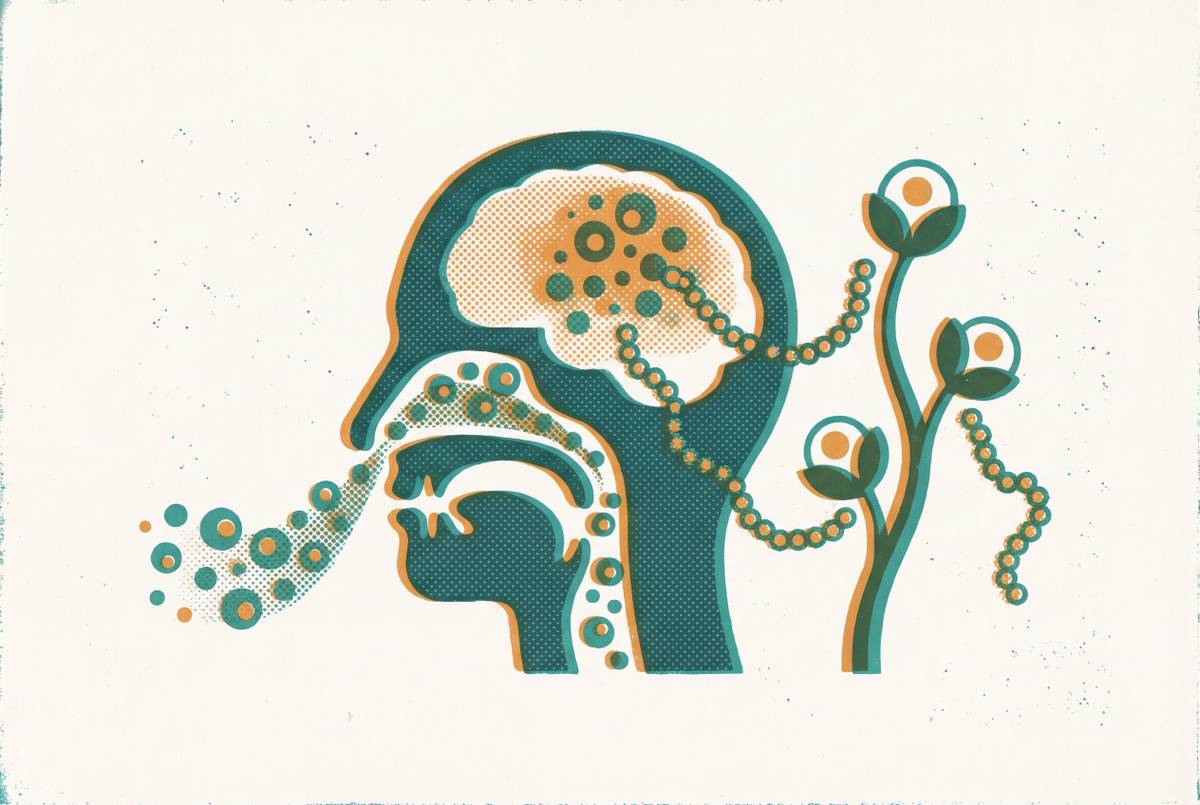
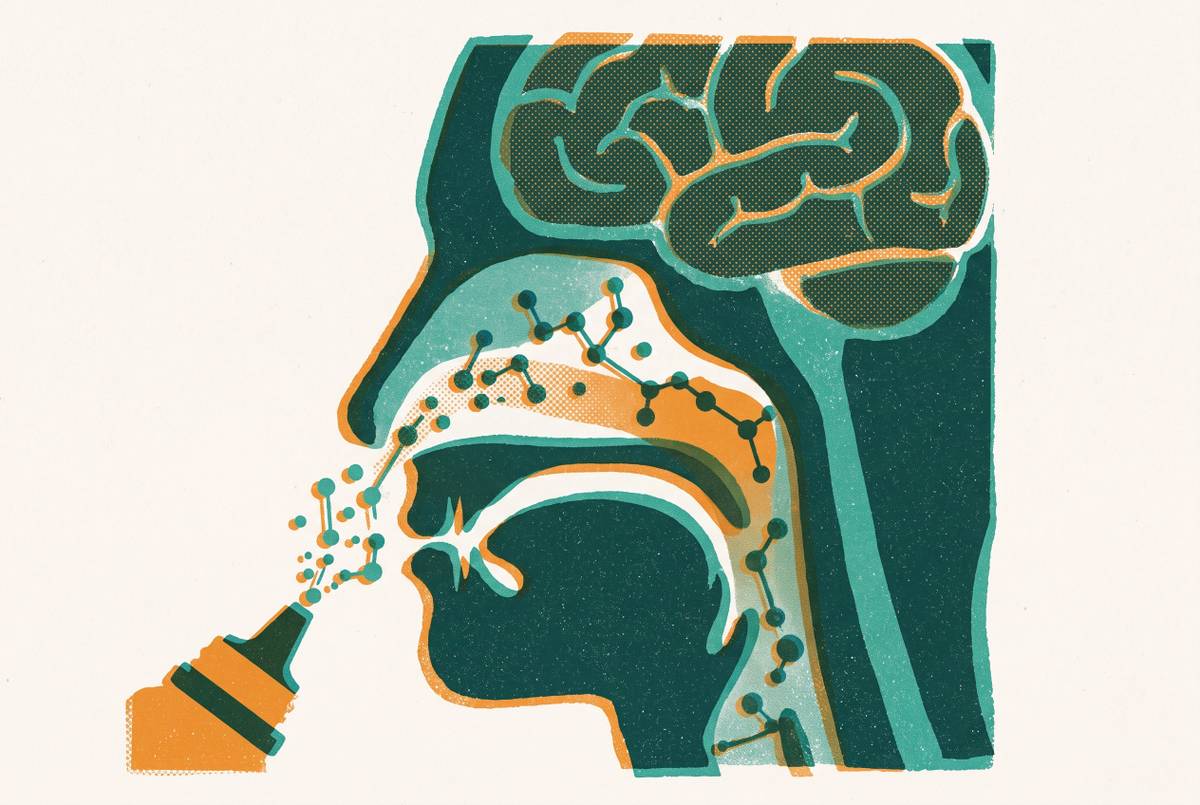
The olfactory and trigeminal nerves provide anatomical conduits from the nasal cavity to the CNS without requiring passage through systemic circulation. For drug using these direct pathways, the blood-brain barrier is largely bypassed. Drug can also enter the bloodstream, making nasal delivery a problem of competing routes.
Within the direct pathways, intracellular transport involves endocytosis by olfactory sensory neurons followed by axonal transport. Extracellular transport instead involves paracellular diffusion across the nasal epithelium into perineural spaces, followed by CSF flow toward the subarachnoid space. These routes also permit redistribution or efflux. Nanoparticle charge may influence route selection, with cationic charge favoring trigeminal transport and anionic charge appearing more conducive to olfactory transport, although this relationship remains incompletely characterized. Access is physically constrained because human olfactory epithelium covers roughly 2–12.5 cm², about 10% of the nasal surface, in a posterodorsal recess where standard sprays deposit poorly.
What preclinical models are actually measuring — and what they are not
What does finding drug in the brain establish? Brain area under the curve, or AUC, brain-targeting efficiency (BTE%), and drug-targeting index (DTI) describe aggregate transport outcomes, but they do not isolate individual pathways or predict unbound target-site concentrations. Measurements of total brain tissue count drug in neurons, glia, vasculature, and non-specific binding sites together. A favorable result can therefore leave unresolved whether drug reached the extracellular space where most CNS targets are located. CSF sampling does not settle that question because it samples a different compartment from parenchymal receptors.
Ruigrok and de Lange argued in 2015 that translational research must tell direct nose-to-brain absorption, nose-to-systemic absorption, and systemic-to-brain redistribution apart by both how fast they occur and how much drug they carry. That distinction requires unbound concentrations in plasma and brain extracellular fluid, or ECF. Microdialysis gives access to this more relevant brain compartment. These invasive preclinical measurements help compare formulations and test mechanisms, but they cannot simply stand in for the same measurements in humans. Their value lies in supporting an explanation of transport.
The in silico layer — computational models that frame the transport problem before any animal is used
Computational models turn the distinction between routes into a question that experiments can test. Compartmental pharmacokinetic models represent the brain as a target compartment connected to plasma through transport rate constants. This makes otherwise inseparable pathways quantitatively tractable within the model. Before animal work begins, that structure can frame hypotheses about direct entry and systemic redistribution, while experimental data later constrain the estimates.
Eydelman, Ben-Shabat, and Sintov demonstrated this approach in 2026 using a mammillary compartmental model of intranasal cannabidiol-loaded nanoparticles in rats. Their model resolved systemic absorption and direct brain entry into separate rate constants, with direct entry accounting for the majority of absorbed drug and brain t-max reaching 10 minutes. Physiologically-based pharmacokinetic models, or PBPK models, extend the approach by incorporating nasal surface area, mucosal blood flow, and epithelial thickness as inputs. Yet the literature supplied here names no validated PBPK model that reliably links rodent N2B data to human brain exposure, and animal measurements alone cannot provide that link.
In vitro and ex vivo models — measuring epithelial permeation and mucosal barriers without a living animal
Bench models supply direct measurements of the first barrier that computation can only represent. Calu-3 or primary olfactory epithelial cell monolayers allow measurement of transepithelial resistance and drug flux under controlled conditions. These measurements can parameterize early transport models. They also allow study of nanocarrier uptake and interactions with mucosal barriers, helping distinguish epithelial permeation from later events that a whole-brain measurement would combine.
Ex vivo nasal mucosa from bovine, porcine, or sheep tissue preserves tissue architecture and the mucus layer more closely than a cell monolayer. That makes it useful for testing passage through a more intact barrier without a living animal. Its reach nevertheless remains local and incomplete. Neither tier reproduces the full neuronal sequence of axonal uptake and intracellular trafficking or distribution from the olfactory bulb toward the cortex. Ex vivo tissue also cannot reproduce physiological mucociliary clearance dynamics or the airflow patterns that determine deposition in the olfactory cleft, so epithelial permeability cannot by itself establish brain delivery.
Rodent in vivo models — the workhorse tier and its built-in limit
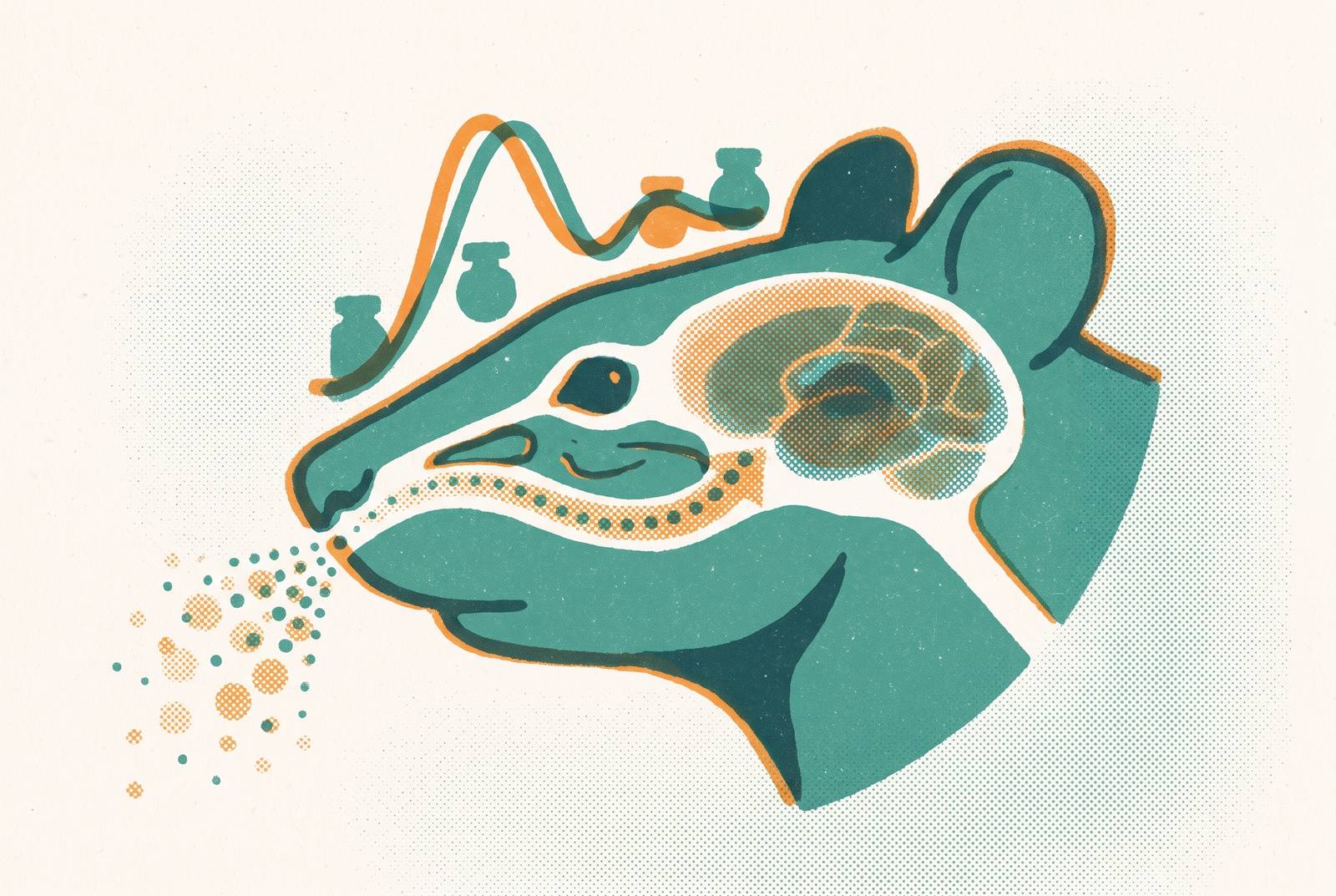
Rodents make it possible to follow drug beyond the nasal barrier through repeated plasma and brain sampling. They support ECF microdialysis and validated neurodegenerative disease models, allowing pharmacokinetics to be linked with pharmacodynamics. Standard studies measure brain AUC, t-max, and brain bioavailability relative to intravenous administration. With compartmental modeling, these data can show how much absorption is direct and how much is indirect.
Rodent studies also provide concrete evidence of peptide transport. Intranasal dulaglutide rapidly accumulated in the hippocampus and neocortex, while exendin-4 co-administered with L-penetratin achieved brain-wide distribution and improved spatial learning in a cognitive dysfunction model. A GLP-2 derivative was detected in the trigeminal principal sensory nucleus in the pons within three minutes. These findings establish transport possibilities in the tested models. They do not remove the need to explain what changes when nasal anatomy changes.
Rodents are obligate nasal breathers with proportionally larger, more intricately turbinated nasal cavities relative to body mass. Humans also breathe orally, producing deposition patterns that cannot be mapped directly from rodent experiments. Pharmacogenomic differences add another source of translational uncertainty. Humans have more nasal surface area in total, but the rat’s surface area relative to body mass is many-fold greater. Most important for direct delivery, olfactory epithelium covers a much larger share of the nasal surface in rodents, while estimates for humans put that share at roughly 10% or less.
Larger-animal and non-human primate models — bridging the anatomical gap toward human geometry
Larger animals test whether promising transport survives a less rodent-like geometry. Sheep and pigs offer nasal dimensions and mucociliary transport rates closer to human values, giving their tissues a role in both ex vivo permeation studies and in vivo pharmacokinetics. Non-human primates provide the closest preclinical approximation described here for aerosol deposition and olfactory targeting because of their similar nasal architecture and oronasal breathing. Cost, ethical constraints, and limited throughput restrict their use. Their role is therefore late-stage formulation validation.
That intermediate evidence remains sparse for peptides and biologics. Most intranasal evidence, including that for GLP-1 receptor agonists, still comes from rodents, while human experience is largely limited to intranasal insulin and a small number of other approaches. A more representative animal can test the deposition assumptions on which a rodent-derived prediction depends.
Why no single model closes the translational gap — and what a staged toolkit looks like in practice
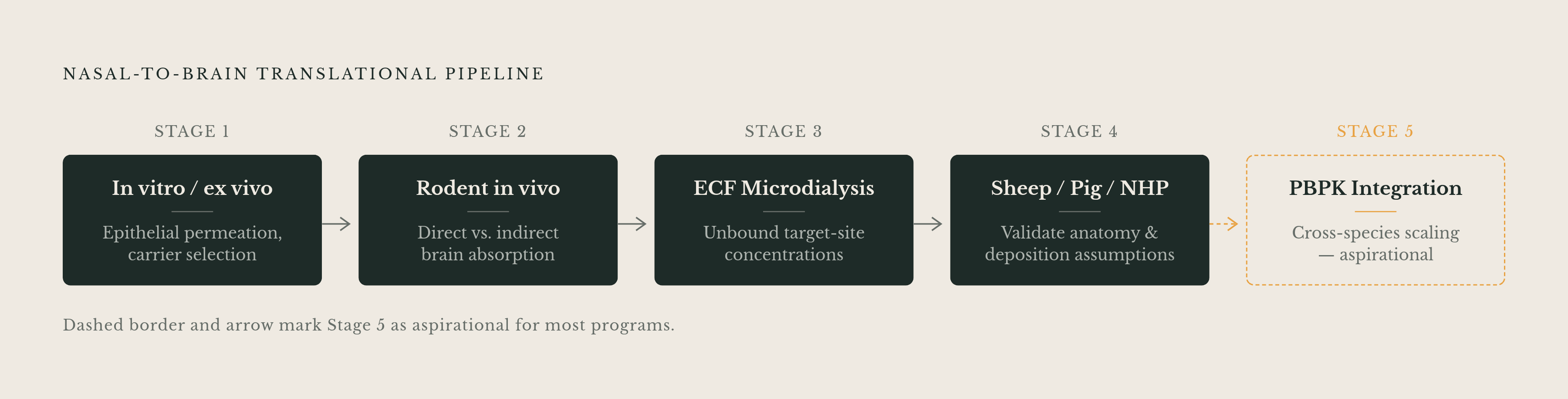
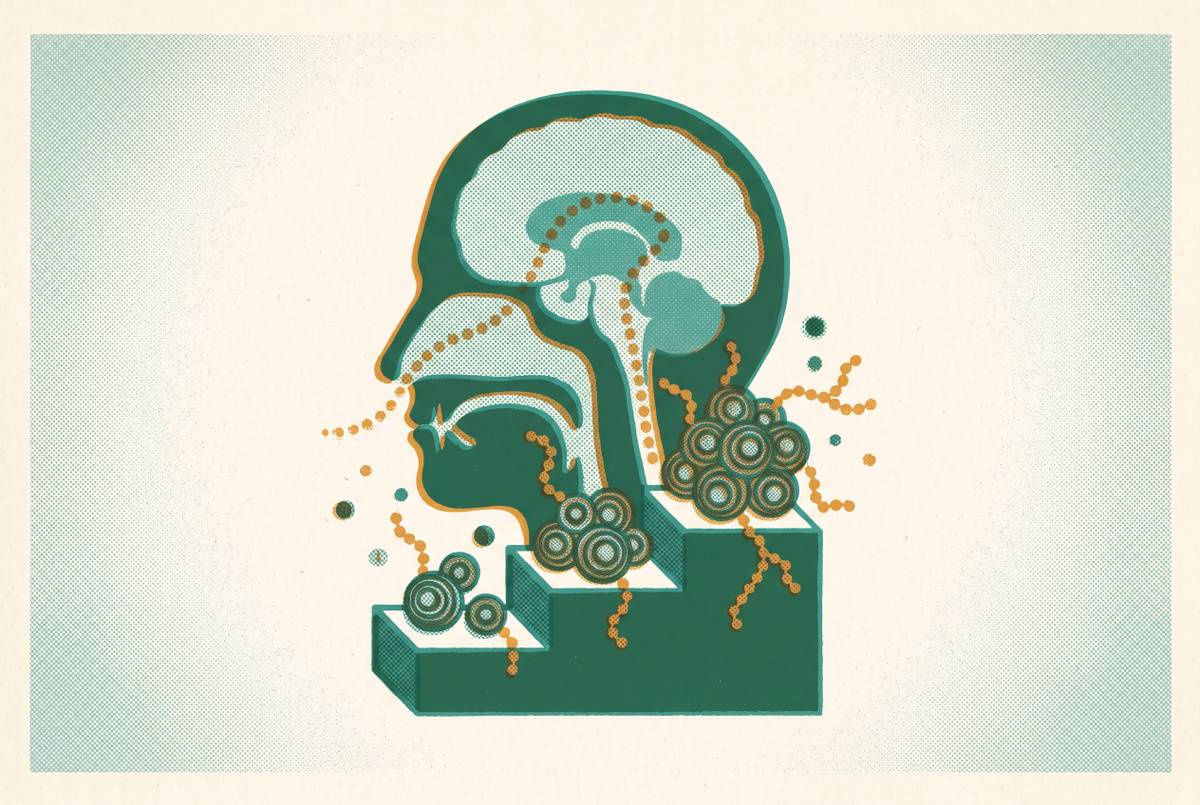
The methodological response is a staged program. Its first stage uses in vitro and ex vivo systems to characterize epithelial permeation and select candidate nanocarriers. The second combines rodent studies with compartmental modeling to quantify direct and indirect brain absorption. The third uses ECF microdialysis rather than total tissue alone to establish unbound target-site concentrations.
The fourth stage tests deposition assumptions in larger animals before human studies. The fifth integrates the resulting data into a PBPK framework designed for cross-species scaling, although that final bridge remains aspirational for most programs. Computation therefore precedes experiments as a planning tool and returns as the means of integrating their results. More measurements do not solve translation unless their relationships are represented quantitatively.
Zhou et al. proposed a five-pillar clinical evaluation framework in 2026 comprising targeting precision, pharmacokinetic performance, multi-organ safety profiling, device–drug clinical compatibility, and anatomical translation. The device component is especially easy to underweight. Deposition in the olfactory cleft depends on spray geometry and particle size as well as formulation chemistry. Clinically representative devices therefore belong within preclinical testing, rather than appearing only after a formulation has been judged promising.
What better N2B pharmacokinetic modeling means for peptide and GLP-1 therapeutics specifically
For GLP-1 receptor agonists, much is known about systemic exposure and metabolic effects, but human brain distribution and neurological target-site concentrations are still largely unmeasured. Preclinical N2B models offer the current window into what intranasal administration might achieve centrally. The distinction is important when interpreting neurological outcomes. Taken together, randomized controlled trials for specific neurological indications did not show better memory and cognition than placebo in Alzheimer’s disease. Against encouraging preclinical findings and epidemiological associations with reduced dementia and Parkinson’s incidence among long-term users, this raises inadequate regional brain exposure as a hypothesis.
The rodent distribution findings above give that hypothesis a basis in experiments, though they do not show clinical efficacy. GLP-1 receptor agonist activity involving the dopamine transporter and mesolimbic pathways also suggests relevance to addiction. Direct access through olfactory and trigeminal routes could be useful for studying limbic and brainstem exposure. Neither epidemiological associations nor a null clinical result establishes what concentration an intranasal formulation would achieve at a neurological target.
Enzymatic degradation at the nasal epithelium, mucociliary clearance, and paracellular size constraints all oppose delivery. Nanoparticle charge, mucoadhesion, and enzyme protection consequently require study together with the peptide itself, making early enzymatic stability and permeation testing essential. Records also show that people abandon injection-based GLP-1 treatment at the pharmacy or after the first fill, which gives a reason to study non-invasive alternatives. Whether an intranasal approach improves adherence while producing useful central exposure remains a question for evidence.
What rigorous translational pharmacokinetics actually requires going forward
The field needs studies that quantify nasal absorption and resolve its direct brain and systemic components, including subsequent systemic-to-brain distribution, in both rate and extent. Unbound brain ECF should anchor target-site analysis because total tissue AUC obscures non-specific binding and cannot support receptor occupancy modeling on its own. Models specific to nanoparticles must also show how particle size, surface coating, and charge change which pathways are used and the transport rates along them, as the compartmental example shows.
Cross-species prediction requires anatomical inputs rather than body-weight scaling alone, including nasal surface area, turbinate geometry, mucociliary clearance rate, and olfactory epithelium fraction. Device and formulation development must be joined to that pharmacokinetic design because anterior nasal deposition and olfactory-cleft targeting are not interchangeable conditions. Many preclinical studies do not specify or standardize the device. Pharmacodynamic endpoints measurable in animals and humans, including biomarkers, imaging, and behavioral measures, should also enter the design from the start so that proposed PK-PD relationships can later be tested clinically.
Sources
- Pharmacokinetic Modeling of the “Nose-to-Brain” Pathway as Demonstrated by Intranasal Administration of Cannabidiol-Loaded Nanoparticles
- Systematic Design and Evaluation of Nasal Drug Delivery for Central Nervous System Disease from Experimental to Clinical Application
- Emerging Insights for Translational Pharmacokinetic and Pharmacokinetic-Pharmacodynamic Studies: Towards Prediction of Nose-to-Brain Transport in Humans
- Precision nose-to-brain therapeutics: Advances in drug delivery systems and emerging preclinical models - ScienceDirect
- Full article: Differential targeting of olfactory epithelium and respiratory epithelium in nose-to-brain drug delivery
- Computational, In Vitro, and In Vivo Models for Nose-to-Brain Drug Delivery Studies
- Pharmacokinetic Modeling of the “Nose-to-Brain” Pathway as Demonstrated by Intranasal Administration of Cannabidiol-Loaded Nanoparticles - PMC