Nose-to-Brain Versus IV and Intrathecal Routes Scored Against the Clinical and Regulatory Realities of Peptide CNS Development
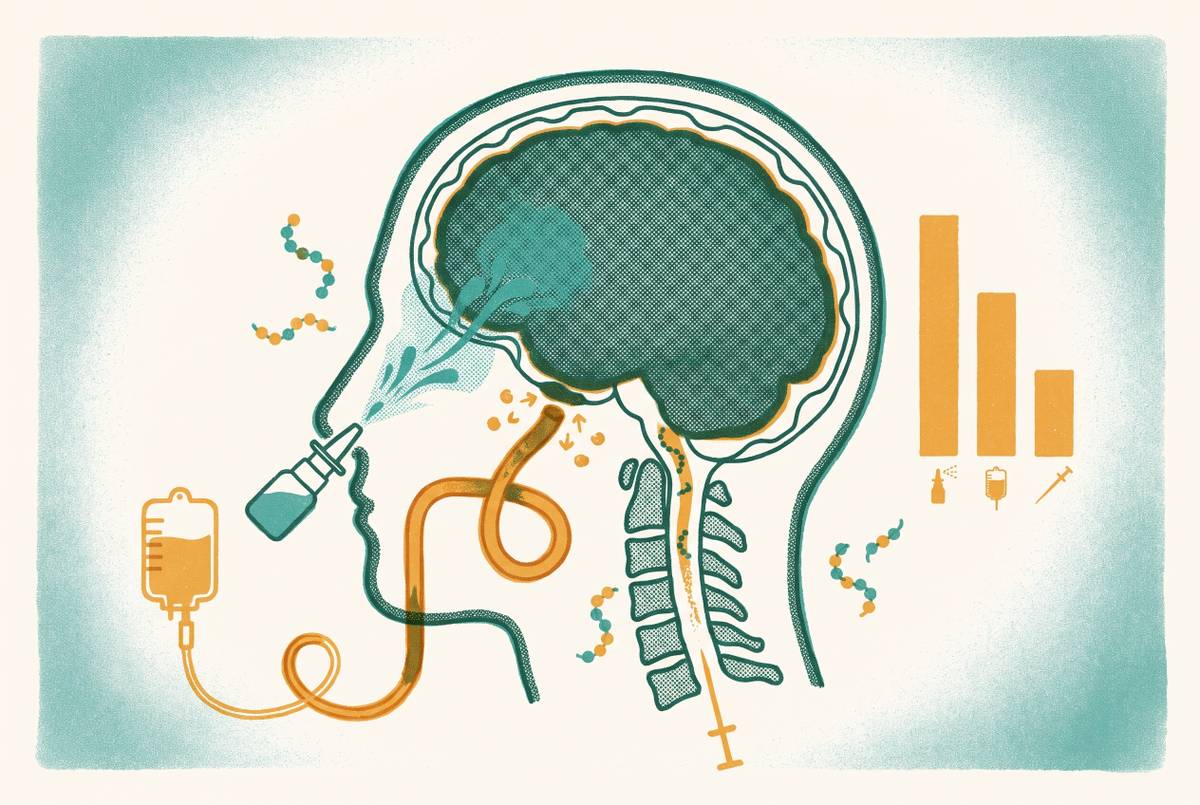
A route-by-route comparison shows nasal delivery's promise hinges on human data.
Rafael Treviño-Mares
Section
15 stories in Nose-to-Brain Delivery.
A route-by-route comparison shows nasal delivery's promise hinges on human data.
Continuation claims can lock in route, payload, and target, within limits.
Shared nanoparticle design decides which brain targets and peptides a pipeline can reach.
Nanoparticle nose-to-brain delivery best matches peptide needs, but human proof is missing.
Designing nanoparticles to deliver peptides across the blood-brain barrier through the nose.
Two nanoparticle platforms vie to deliver GLP-1 peptides to the brain safely.
Approved nasal CNS drugs set a precedent, but peptides still need proof.
A layered toolkit of models shows how much drug truly reaches the brain.
Proprietary nanocarrier chemistry is what makes nasal peptides credible.
Delivery platforms define this field, yet none has proven clinical benefit.
Nanocarriers could carry peptides past the barrier, but human delivery data remains the test.
How nanoparticle carriers fight nasal clearance to move peptides toward the brain.
Nose-to-brain peptide delivery hinges on matching molecule, formulation and device.
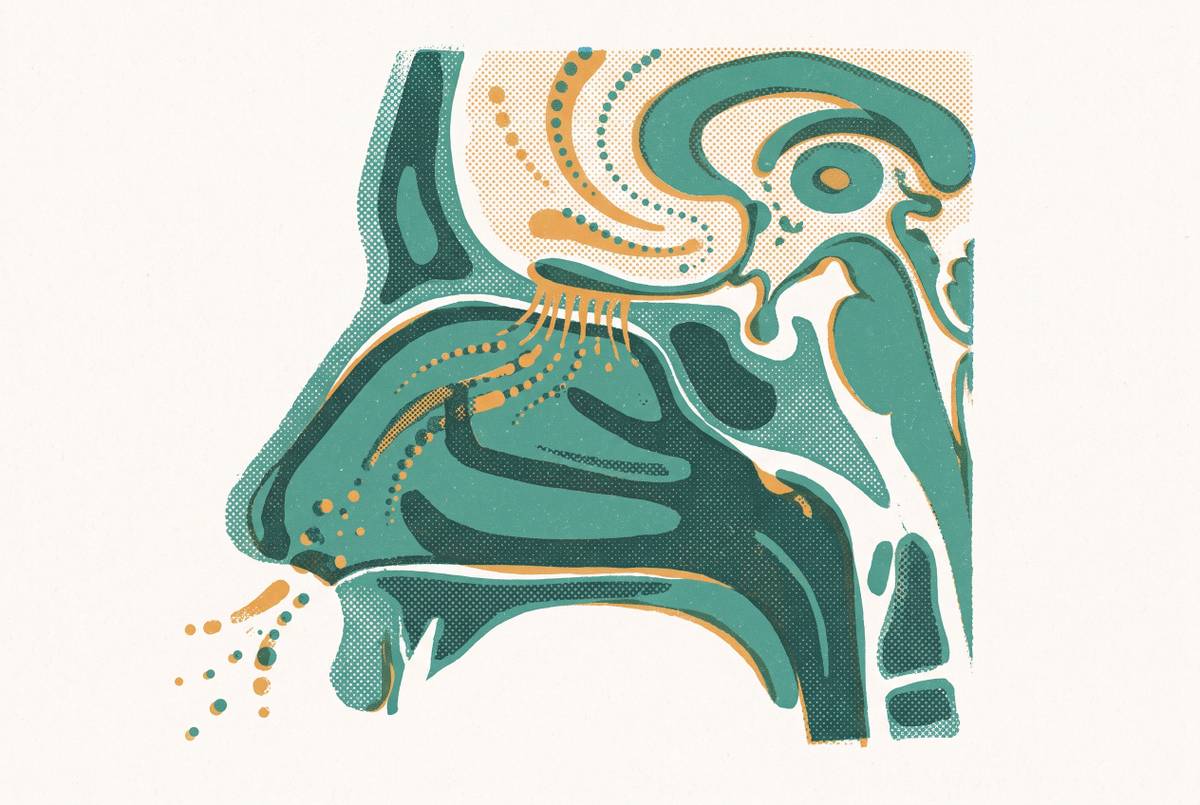
Only one nasal tissue zone links to the brain, which shapes formulation.