Nose-to-Brain Delivery
Preclinical Models for Nose-to-Brain Pharmacokinetic Studies
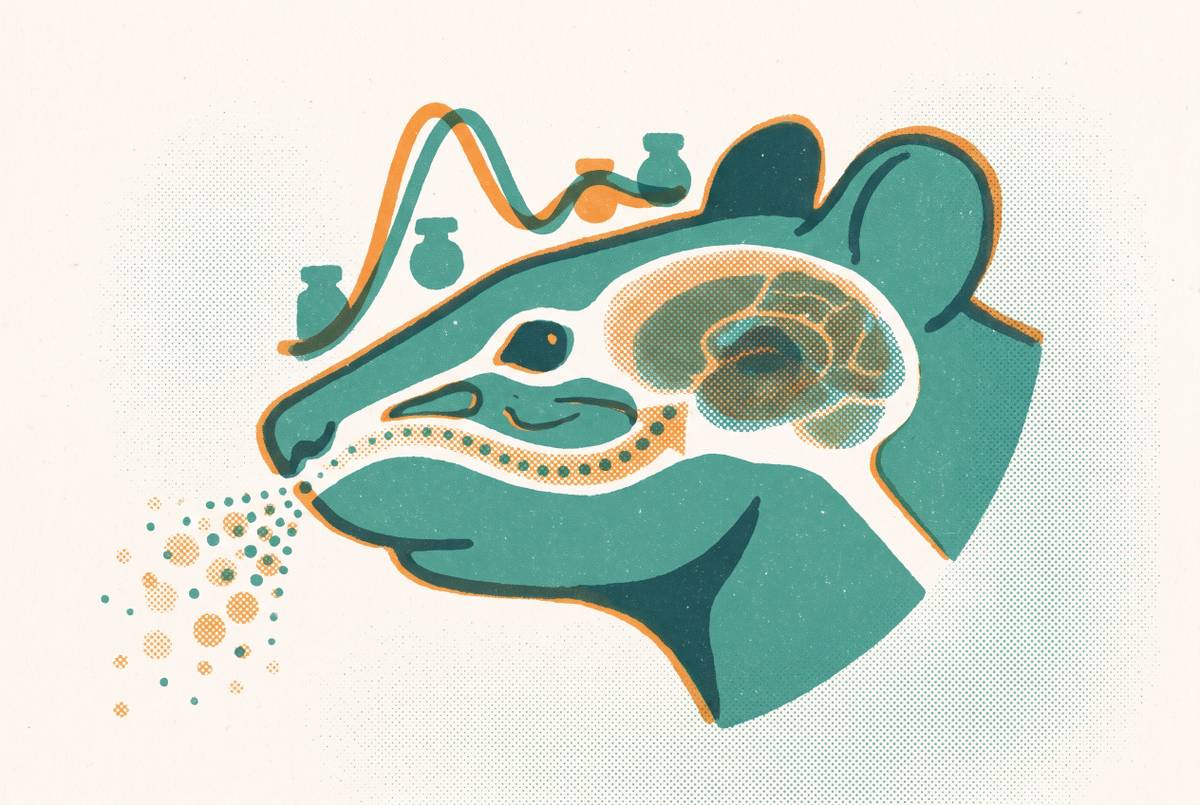
A layered toolkit of models shows how much drug truly reaches the brain.
Miriam Osei-Bonsu
· 8 min read
A layered toolkit of models shows how much drug truly reaches the brain.
Proprietary nanocarrier chemistry is what makes nasal peptides credible.
Delivery platforms define this field, yet none has proven clinical benefit.
Nanocarriers could carry peptides past the barrier, but human delivery data remains the test.
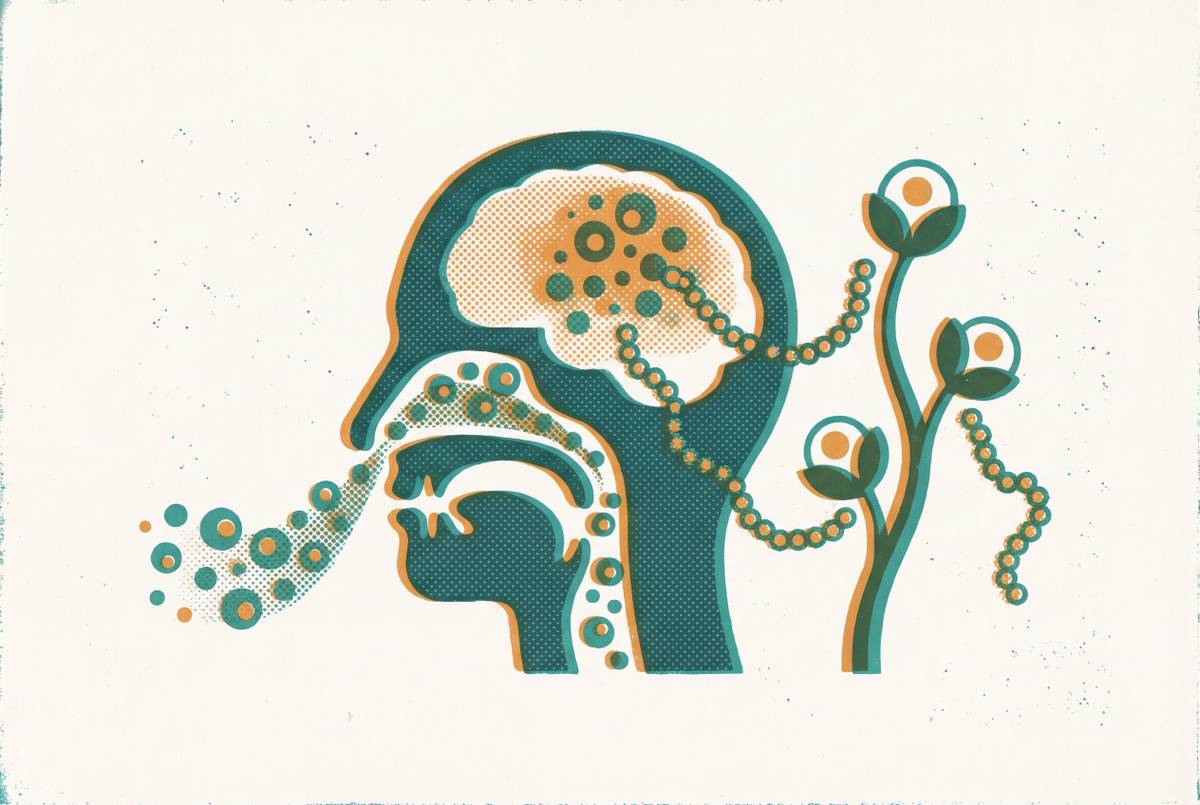
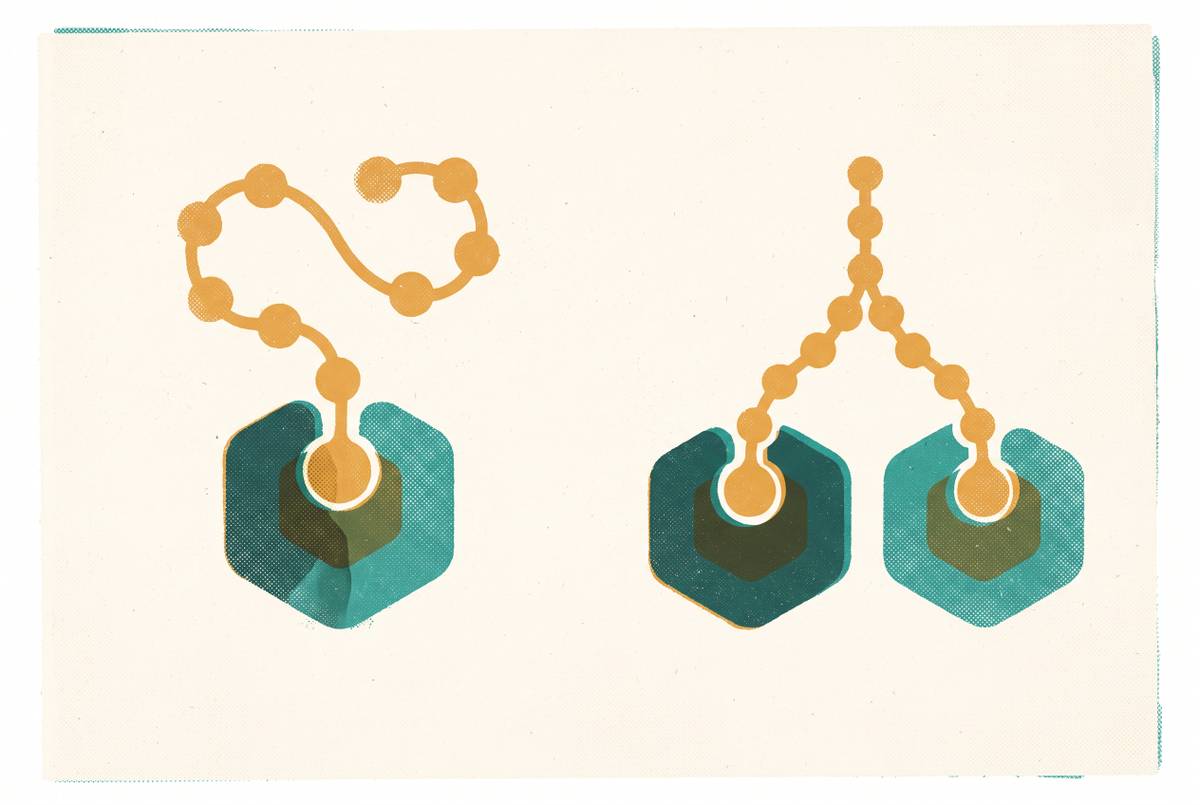
How nanoparticle carriers fight nasal clearance to move peptides toward the brain.
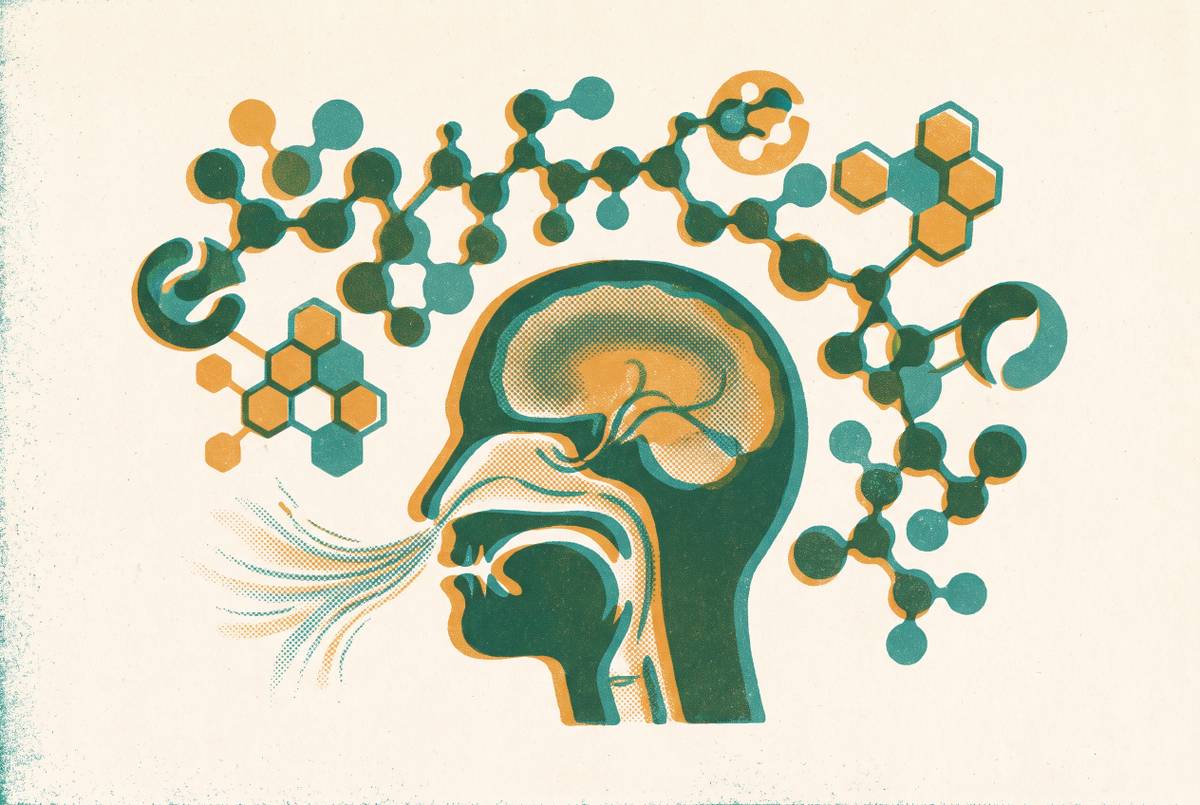
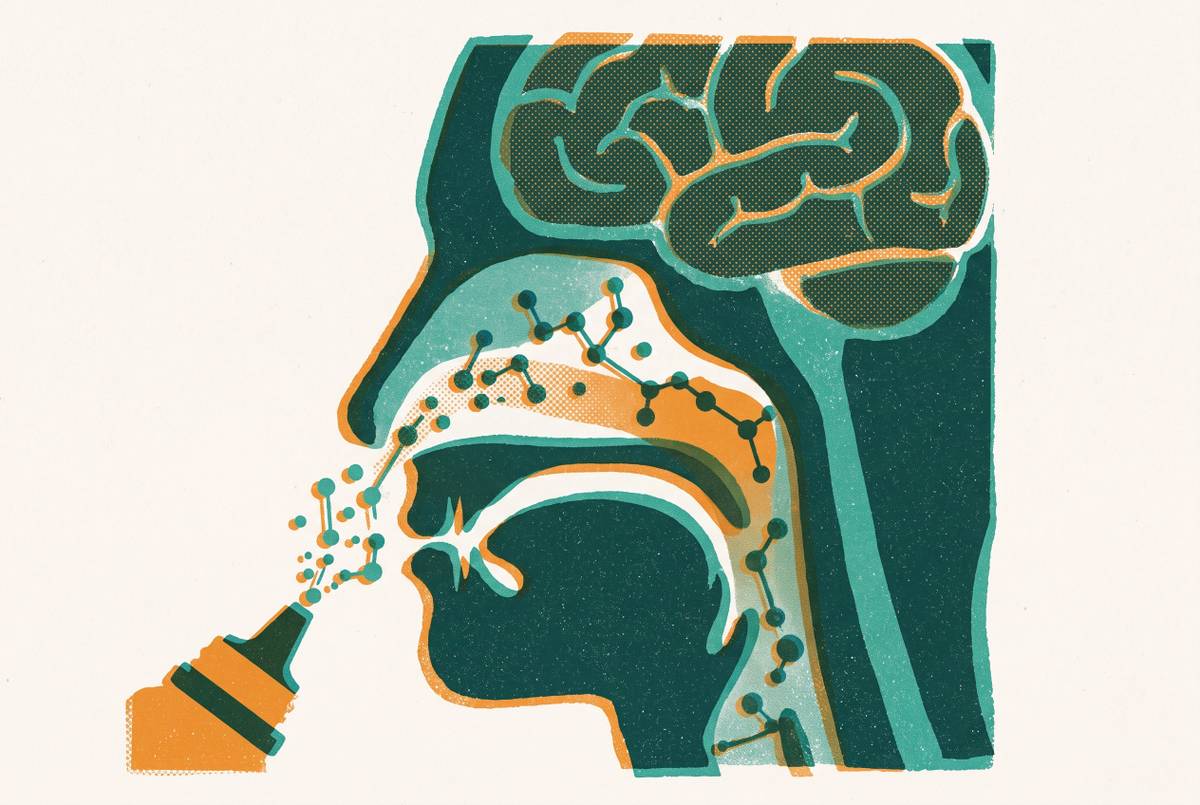
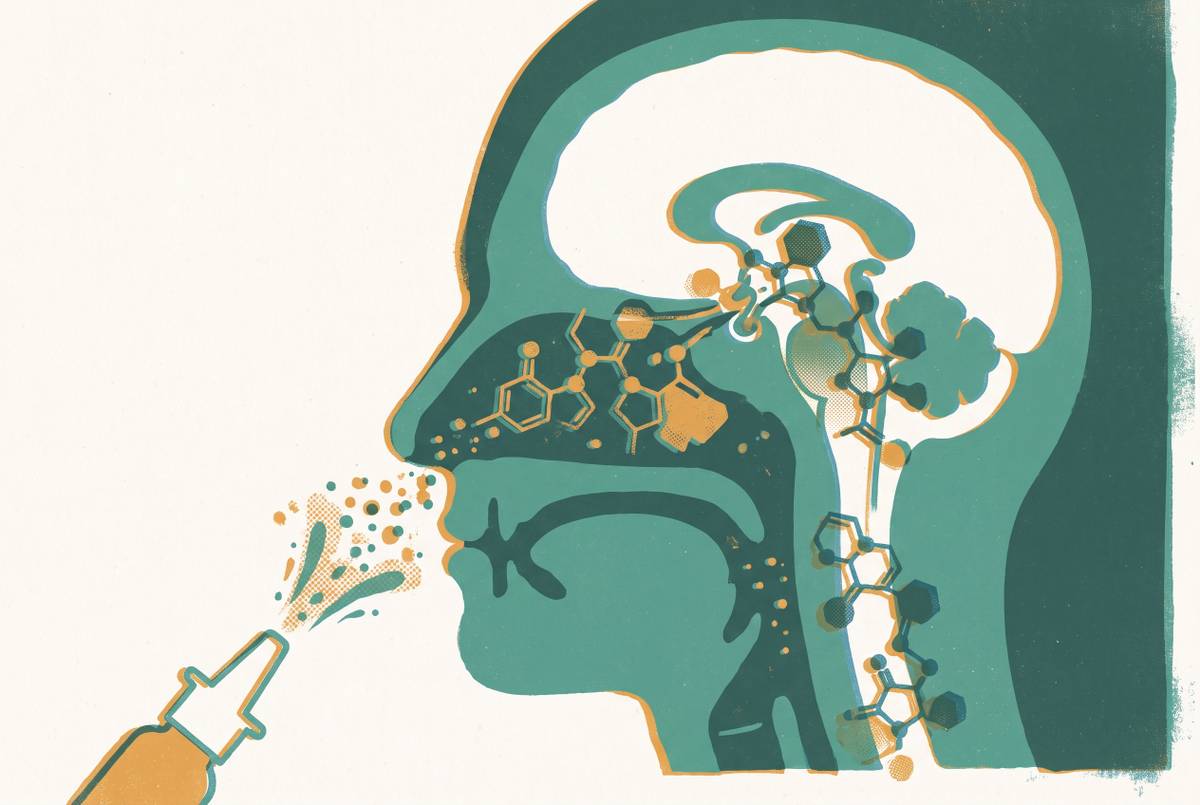
Nose-to-brain peptide delivery hinges on matching molecule, formulation and device.
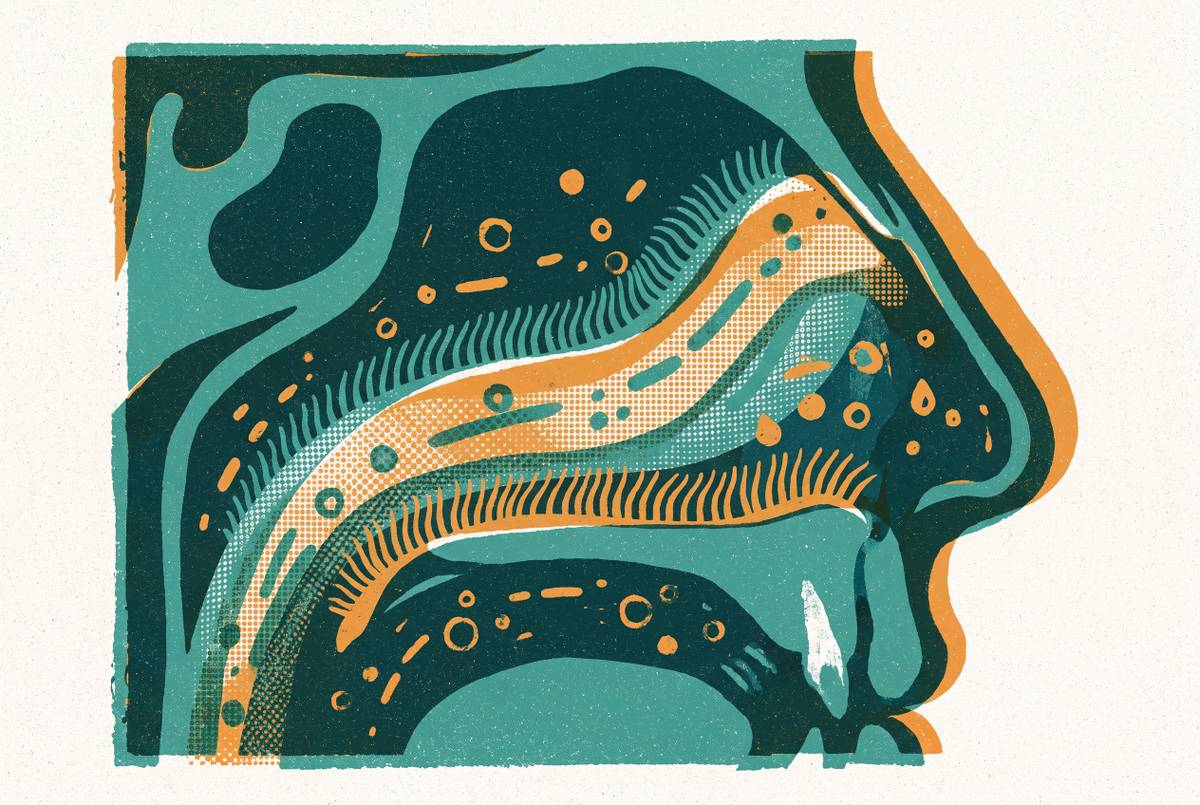
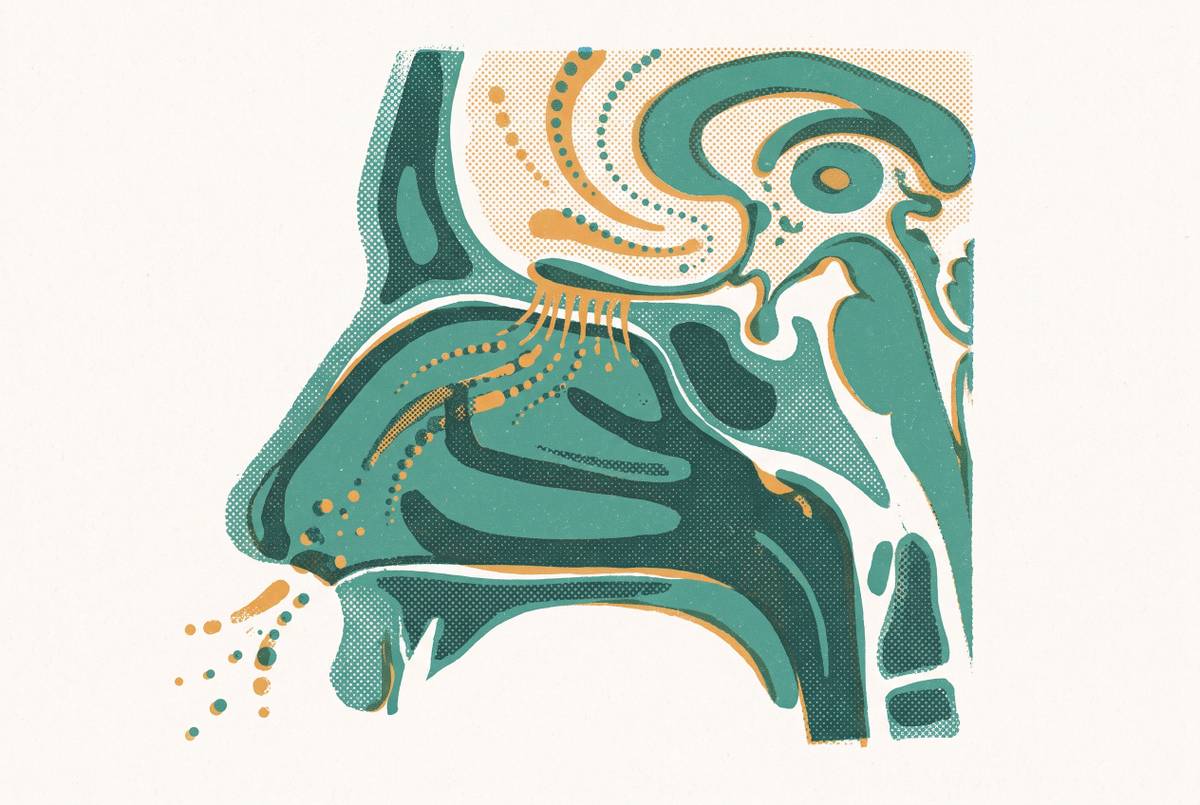
Only one nasal tissue zone links to the brain, which shapes formulation.
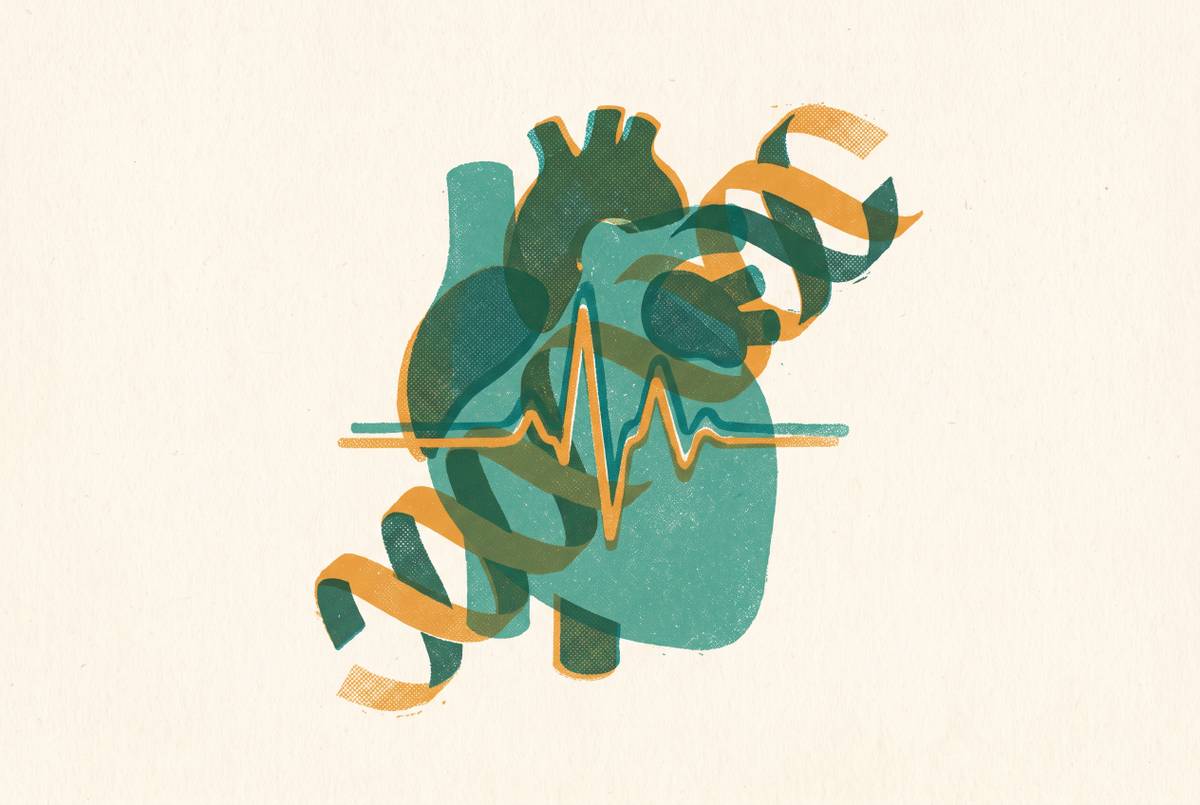
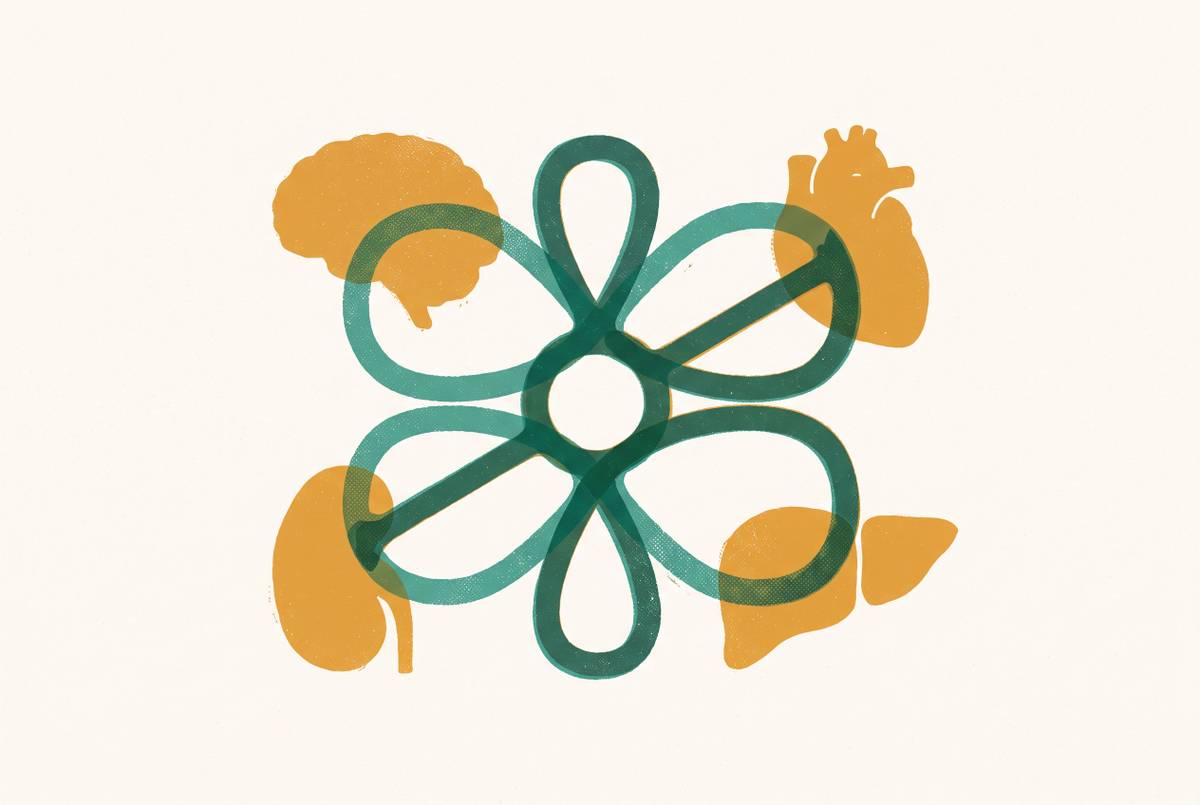
Large trials show these drugs protect hearts and kidneys beyond glucose.
Trials show real promise in Parkinson's but falter in Alzheimer's.
Two receptors beat one on weight loss, but not on heart data.
How engineers outlasted DPP-4 and the kidney to make GLP-1 a drug.
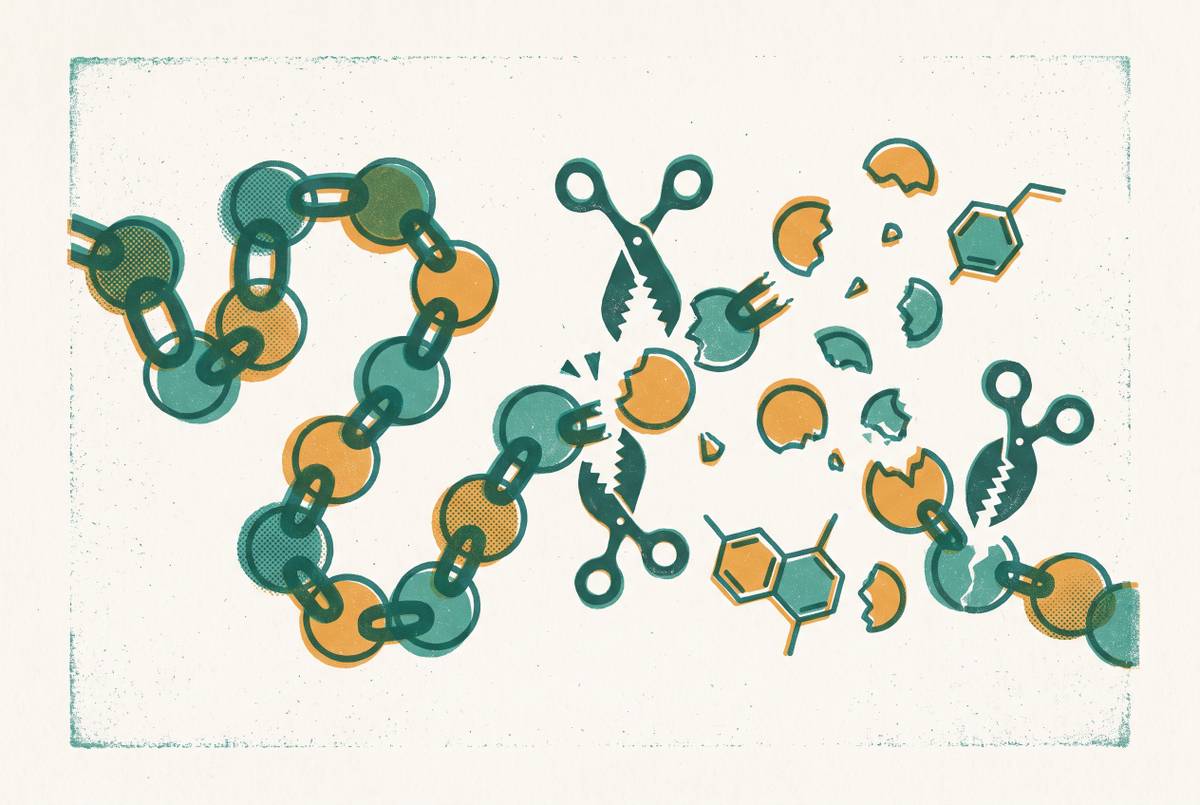
Three enzymes dismantle GLP-1, and fixing one isn't enough.